Limoncello Poster Experience
A lightweight mobile experience designed to extend a physical event poster into a short, guided digital layer.
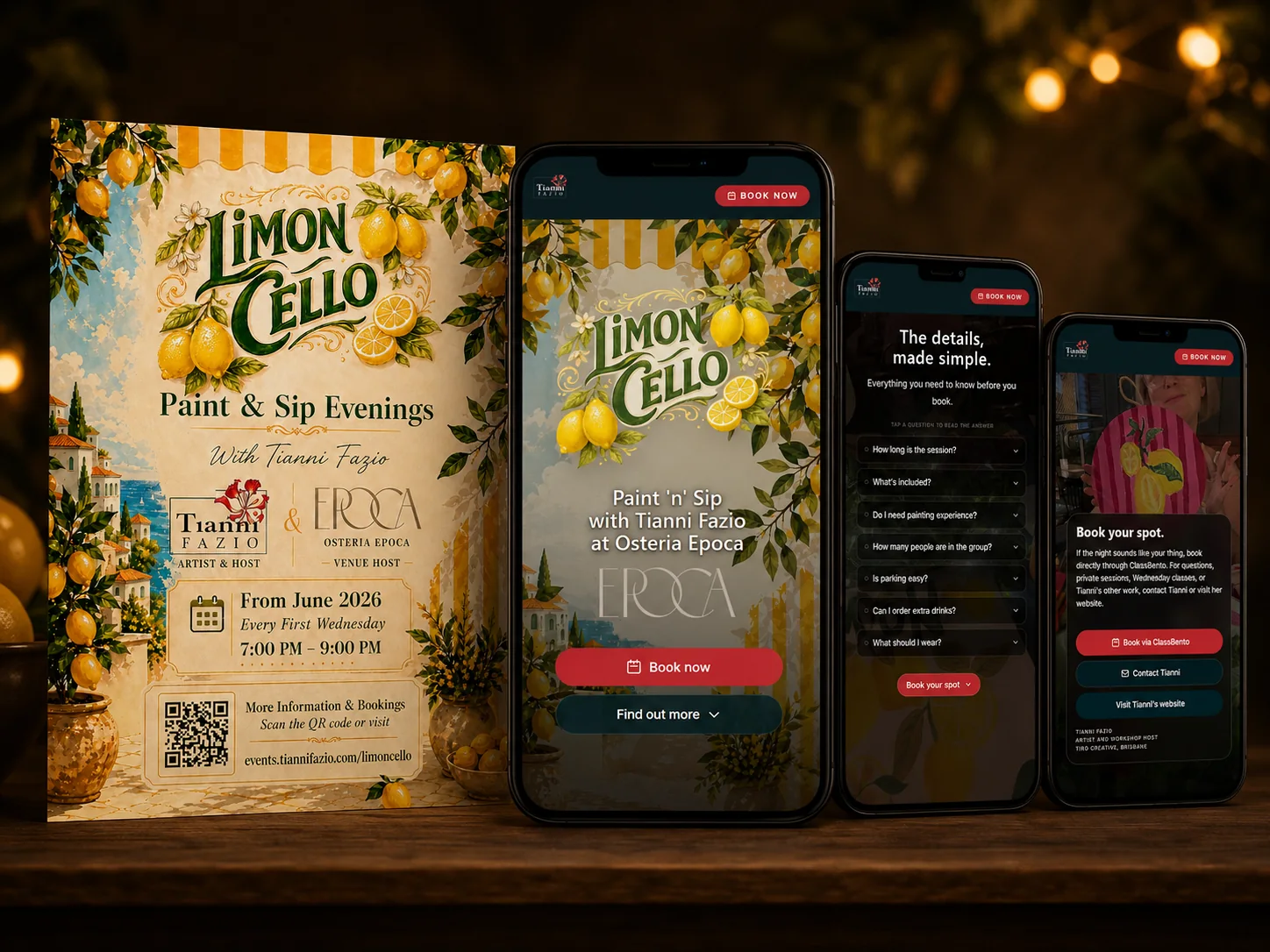
Overview
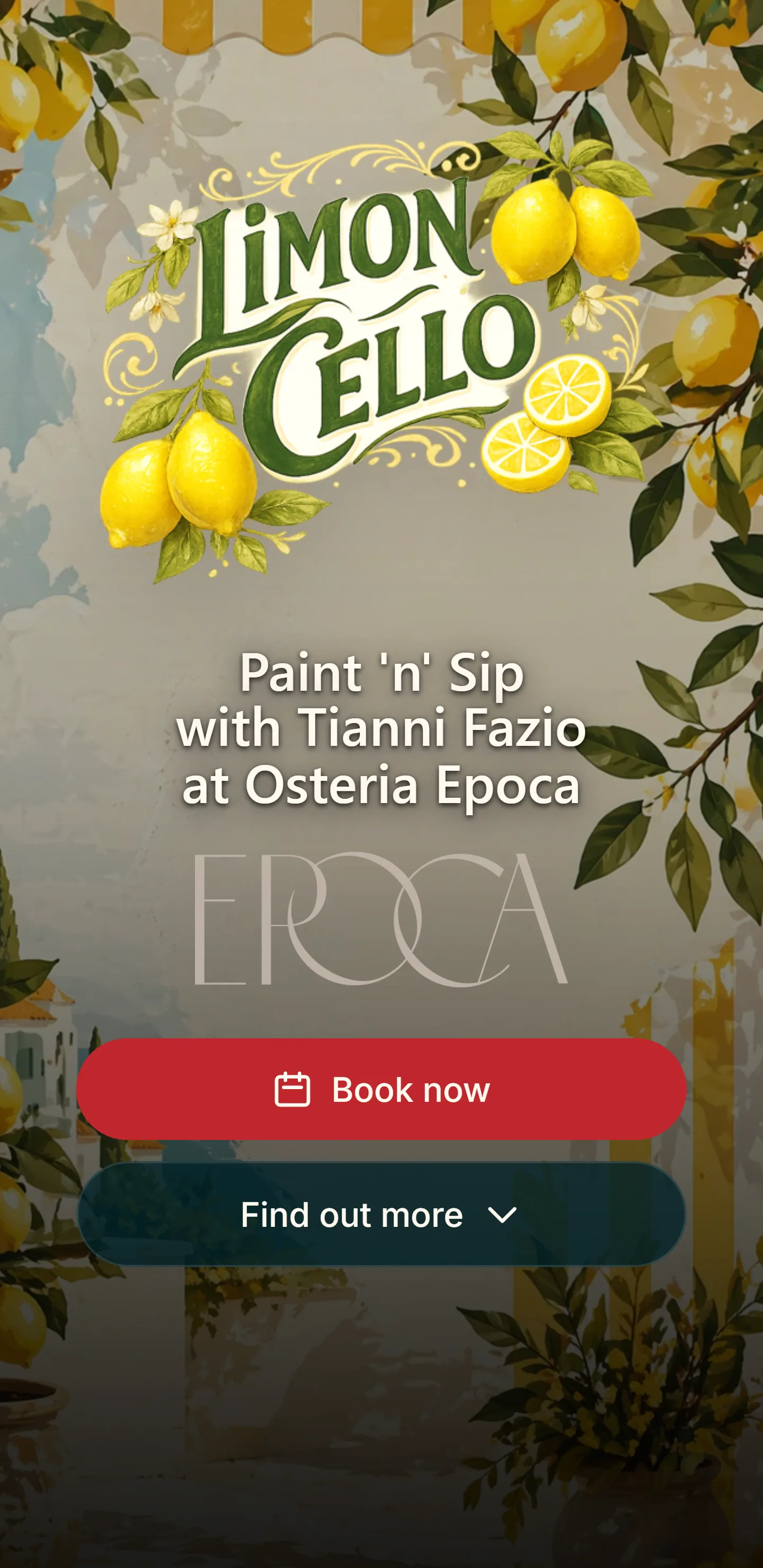
This project was created to support a limoncello-themed paint-and-sip event. I designed the physical poster and the connected mobile experience as one touchpoint: the poster needed to attract attention without becoming cluttered, while the digital layer could hold the mood, explanation and event details.
The experience was designed to be quick, visual and easy to open from a QR code or shared link. It did not need to behave like a full website. It needed to work as a short guided moment connected to a real poster, event and social context.
Challenge
A poster can attract attention, but it has limited space. If too much information is added, it becomes cluttered and less effective. If too little is added, people may not have enough context to understand the event or take the next step.
The challenge was to balance the physical and digital layers: make the poster eye-catching and clear, then use the mobile experience to provide the extra depth without overwhelming the printed design.
The experience
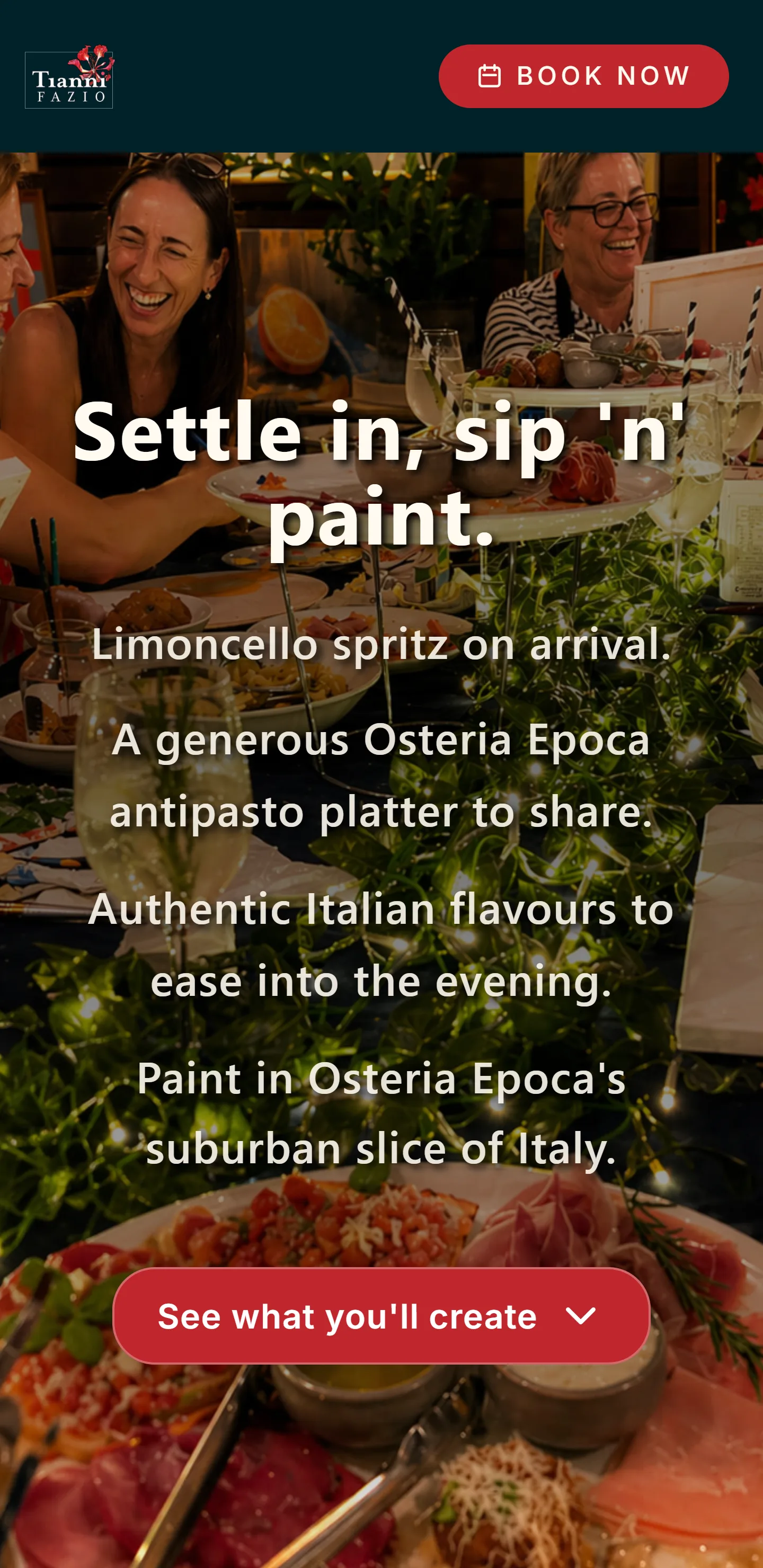
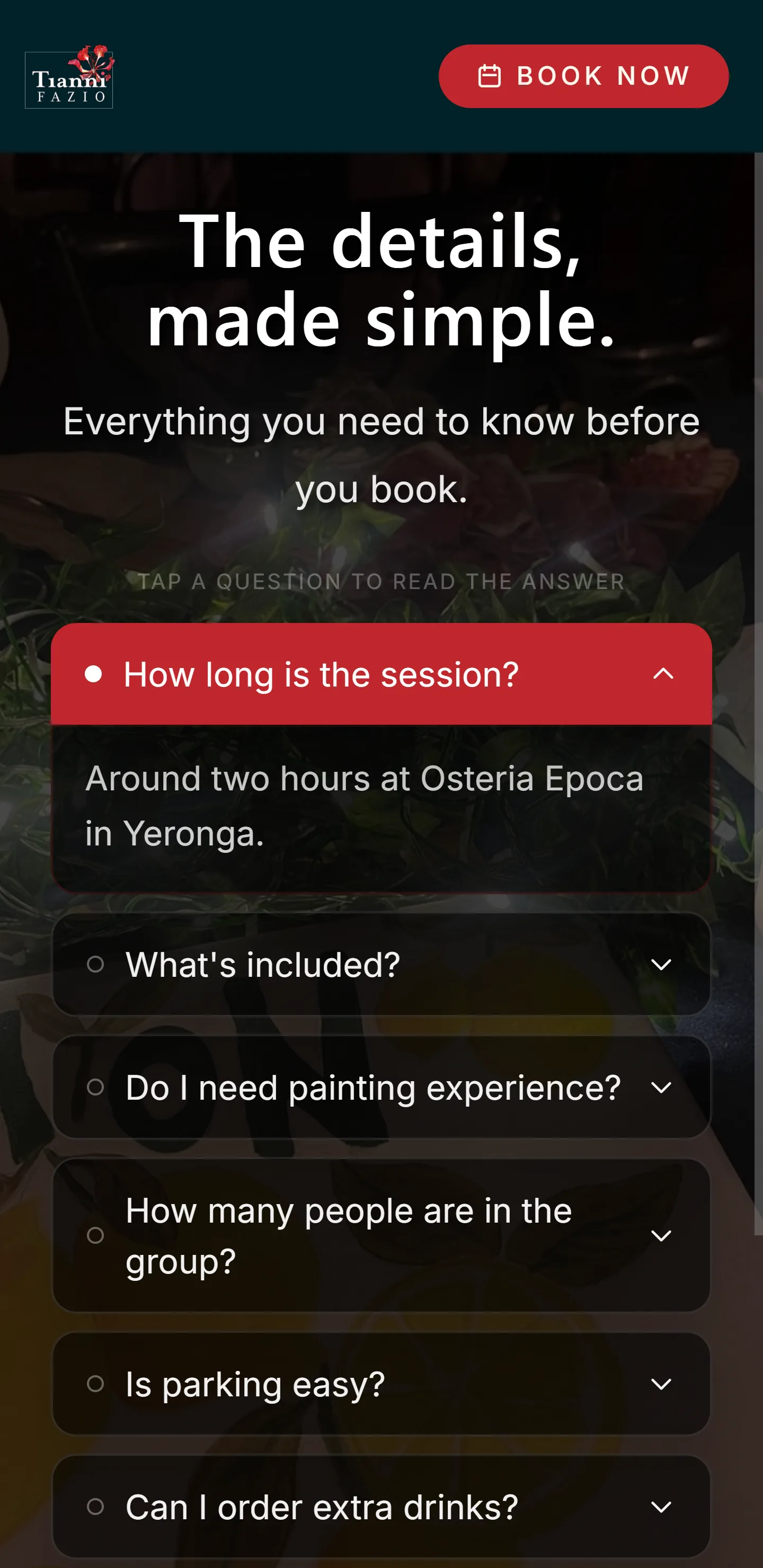
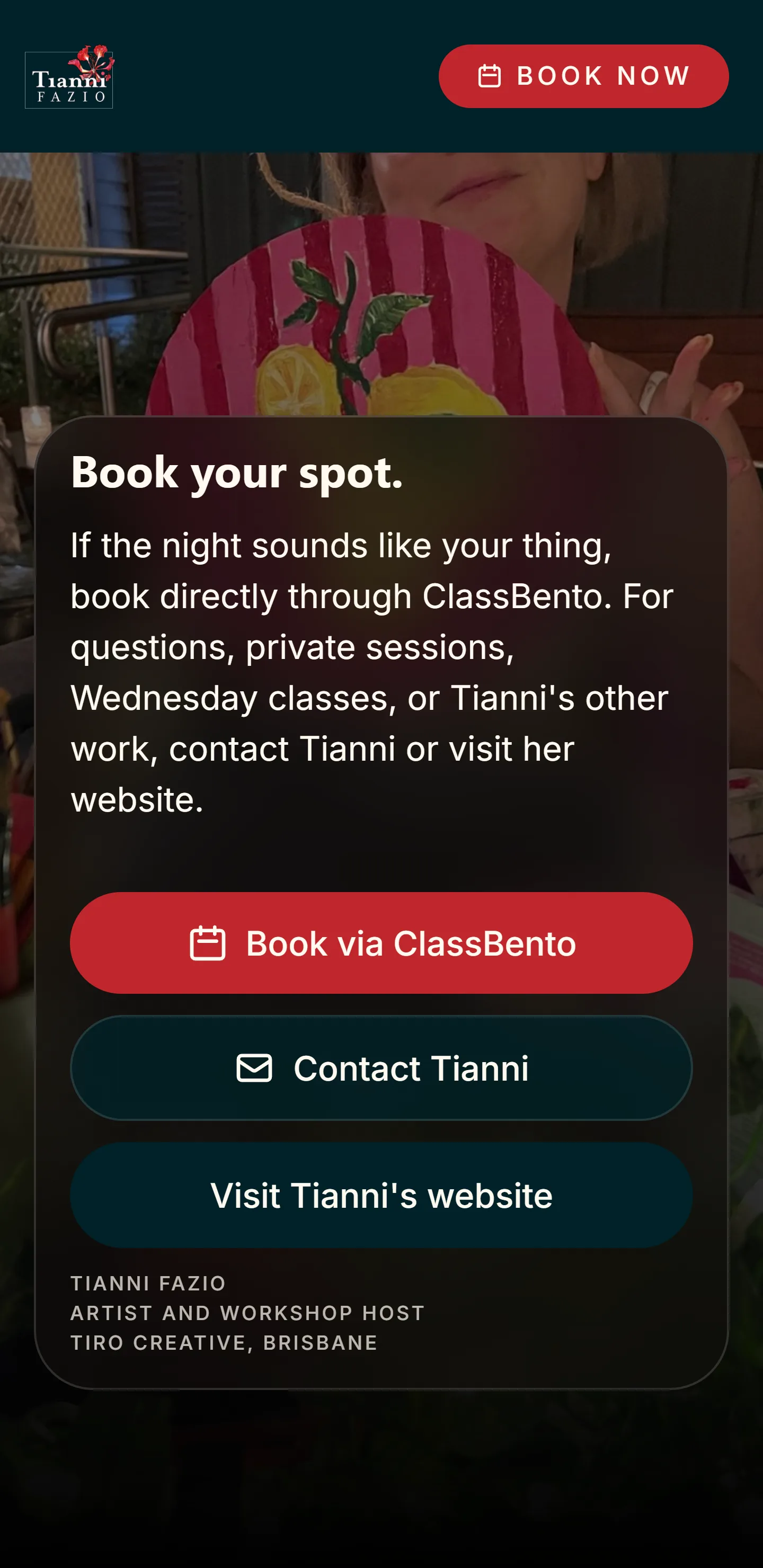
The mobile experience acts as a short guided sequence. Instead of sending someone to a conventional event page, it gives them a more designed path through the event: the mood, the idea, the key details and the invitation to take the next step.
It is intentionally small. The point is not to create a large digital destination, but to make the physical poster feel more active, useful and shareable.
What I designed and implemented
- Physical poster design
- Poster-to-mobile experience flow
- Balancing print detail with digital depth
- Mobile-first guided slide structure
- Short event explanation
- Visual pacing and content hierarchy
- QR/link-friendly access pattern
- Front-end implementation
- Reusable pattern for lightweight poster-led experiences
What this shows
This project shows how a physical touchpoint can stay simple because the digital layer carries the extra depth. The poster does the job of attracting attention and creating a clear invitation; the mobile experience provides the structure, mood and detail once someone chooses to engage.
It also shows the value of choosing the right layer for the moment. The poster did not need to carry every detail. Its job was to attract attention and provide a clear entry point, while the mobile layer carried the extra mood, explanation and event context.
Relevance now
Limoncello helped test the smaller end of the current practice: fast, mobile-first experiences that sit beside physical material and can be opened in public, shared socially or used as a simple event companion.
It shows how the current system can support lightweight activations as well as more detailed guided presentations.
Project Images